
Yala
Sri Lanka's Premier Wildlife Safari Destination
Experience the world's highest density of leopards, majestic Asian elephants, diverse birdlife, and ancient Buddhist heritage in Sri Lanka's most celebrated national park spanning 979 square kilometers of pristine wilderness.
Duration
1-3 days recommended for comprehensive wildlife viewing. Extended stays allow exploration of multiple blocks and seasonal wildlife patterns
Best Time
February-July for optimal wildlife viewing. Dry season concentrates animals at water sources. Morning safaris (6:00-10:00 AM) and evening safaris (2:30-6:30 PM) offer best sightings
About Yala
Yala National Park stands as Sri Lanka's most prestigious wildlife destination and the crown jewel of the island's conservation efforts, encompassing 979 square kilometers of pristine wilderness in the southeastern region where the Southern and Uva provinces converge along the stunning Indian Ocean coastline. Established as a wildlife sanctuary in 1900 alongside Wilpattu and designated as a national park in 1938 under the visionary leadership of D.S. Senanayake, Yala has evolved into one of the world's premier wildlife viewing destinations, offering visitors an unparalleled opportunity to witness the incredible biodiversity of Sri Lanka's dry zone ecosystems.
Located 300 kilometers from Colombo and strategically positioned along ancient trading routes that brought Indo-Aryan civilizations to the island, Yala represents a unique convergence of natural wonder and cultural heritage. The park's landscape encompasses diverse ecosystems ranging from moist monsoon forests and dry monsoon forests to semi-deciduous forests, thorn forests, expansive grasslands, marine wetlands, mangrove systems, and pristine sandy beaches, creating a complex mosaic of habitats that supports an extraordinary array of wildlife species.
The World's Leopard Capital: Panthera pardus kotiya
Yala National Park has earned global recognition for harboring the highest density of leopards in the world, with an estimated 25 individual Sri Lankan leopards (Panthera pardus kotiya) roaming within Block I alone. These magnificent big cats, a subspecies endemic to Sri Lanka, have adapted perfectly to Yala's dry zone environment, utilizing the park's rocky outcrops, dense vegetation, and abundant prey species to establish territories that offer some of the world's most reliable leopard viewing opportunities. Unlike their African and Asian counterparts, Sri Lankan leopards in Yala display remarkable confidence around vehicles, often allowing visitors spectacular close encounters and photography opportunities.
The leopards of Yala have become ambassadors for wildlife conservation across Sri Lanka, with individual cats becoming well-known to researchers and guides who can identify them by their unique rosette patterns and behavioral characteristics. Morning and evening safari drives offer the highest probability of leopard sightings, as these apex predators emerge from daytime resting spots to hunt spotted deer, wild boar, and smaller mammals throughout their territories.
Asian Elephant Sanctuaries and Seasonal Migrations
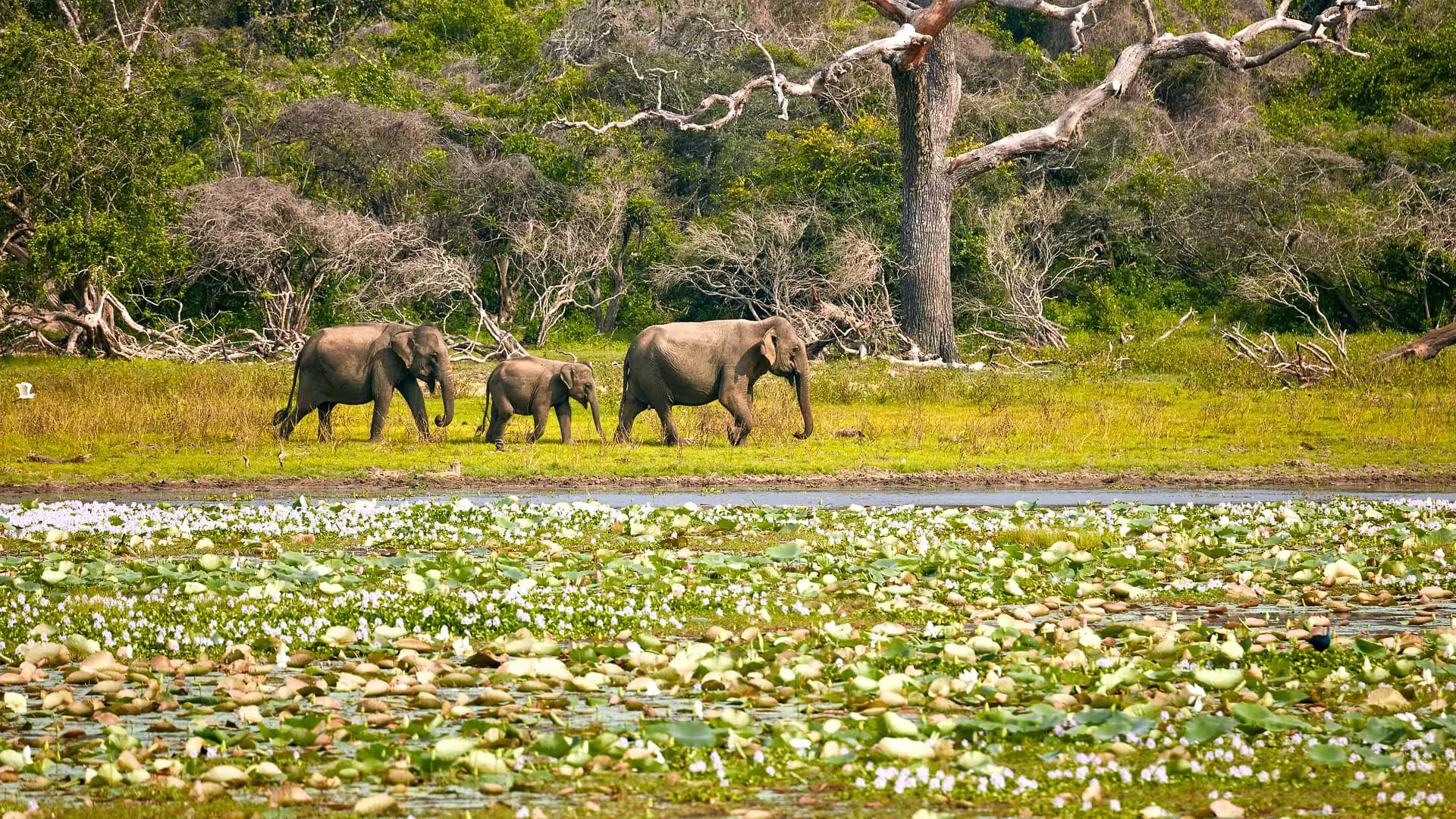
The park provides critical habitat for 300-350 Sri Lankan elephants whose movements vary dramatically with seasonal water availability and food sources. During the dry season from February to July, elephant herds concentrate around permanent water sources including the Menik River, Kumbukkan Oya, and numerous tanks and waterholes scattered throughout the park. These seasonal gatherings create spectacular wildlife viewing opportunities as entire family groups, led by experienced matriarchs, navigate ancient migration routes that have connected Yala's various blocks for centuries.
Yala's elephants represent some of the last free-roaming populations of Asian elephants in Sri Lanka, utilizing corridors that extend beyond park boundaries into adjacent protected areas including Lunugamvehera National Park and Kumana National Park. Visitors can observe complex social behaviors, including protective mothering, playful interactions among juveniles, and the impressive displays of strength and intelligence that have made Asian elephants central to Sri Lankan culture and Buddhist traditions.
Diverse Ecosystems and Endemic Species
As one of Sri Lanka's 70 Important Bird Areas (IBAs), Yala supports 215 bird species including seven endemic species that showcase the island's unique evolutionary heritage: Sri Lanka grey hornbill, Sri Lanka junglefowl, Sri Lanka wood pigeon, crimson-fronted barbet, black-capped bulbul, blue-tailed bee-eater, and brown-capped babbler. The park's varied habitats from coastal lagoons to inland forests provide critical breeding and feeding grounds for both resident and migratory species.
The park's reptile diversity includes 47 species, six of which are endemic to Sri Lanka, including the Sri Lankan krait, painted-lip lizard, and fan-throated lizard. Yala's coastline serves as crucial nesting habitat for all five globally endangered sea turtle species, while freshwater systems support 21 fish species and diverse amphibian communities that contribute to the park's complex ecological web.
Ancient Buddhist Heritage and Archaeological Treasures
Yala's cultural significance extends back over 2,000 years, with archaeological evidence revealing ancient civilizations that flourished in the region from the 5th century BC. The park contains two major Buddhist pilgrimage sites that continue to attract hundreds of thousands of devotees annually: Sithulpahuwa, which once housed 12,000 arahants (enlightened monks), and Magul Vihara, constructed in 87 BC during the height of the Ruhuna Kingdom. These sites demonstrate the sophisticated hydraulic engineering and agricultural systems that supported thriving communities within what is now protected wilderness.
The presence of numerous ancient tanks, dagobas, and monastery ruins throughout the park provides visitors with opportunities to explore Sri Lanka's Buddhist heritage while observing wildlife that has coexisted with human settlements for millennia. According to local legends, the area was once part of the kingdom ruled by Ravana, the mythical king featured in the Ramayana epic, adding layers of cultural significance to the natural wonders.
Safari Zones and Viewing Opportunities
Yala National Park is divided into five distinct blocks, each offering unique wildlife viewing experiences and varying levels of accessibility. Block I (Palatupana), the most popular and accessible zone, provides the highest probability of leopard encounters and contains the greatest concentration of wildlife viewing infrastructure. Block V offers a quieter, more immersive safari experience with excellent wildlife diversity but fewer crowds, making it ideal for serious photographers and wildlife enthusiasts seeking extended observation opportunities.
Blocks III and IV, accessible through the Galge entrance, provide opportunities to explore the park's more remote wilderness areas where human impact is minimal and wildlife behavior remains largely unaffected by tourism. The varying landscapes across different blocks, from coastal lagoons and mangrove systems to inland forests and grasslands, ensure that each safari experience offers different wildlife viewing opportunities and photographic possibilities.
Conservation Challenges and Success Stories
Despite its protected status, Yala faces ongoing conservation challenges including poaching, gem mining along river systems, agricultural encroachment, and the impacts of uncontrolled tourism. The park's management has implemented various conservation measures including the construction of a 40-kilometer electric fence to prevent human-elephant conflict, habitat restoration programs, and strict tourism guidelines designed to minimize wildlife disturbance.
The park's resilience was tested during the devastating 2004 Indian Ocean tsunami, which caused significant damage to coastal areas and resulted in 250 human casualties within park boundaries. However, the rapid recovery of both wildlife populations and tourism infrastructure demonstrates the park's ecological resilience and the commitment of Sri Lankan conservation authorities to maintaining this natural treasure for future generations.
Gallery
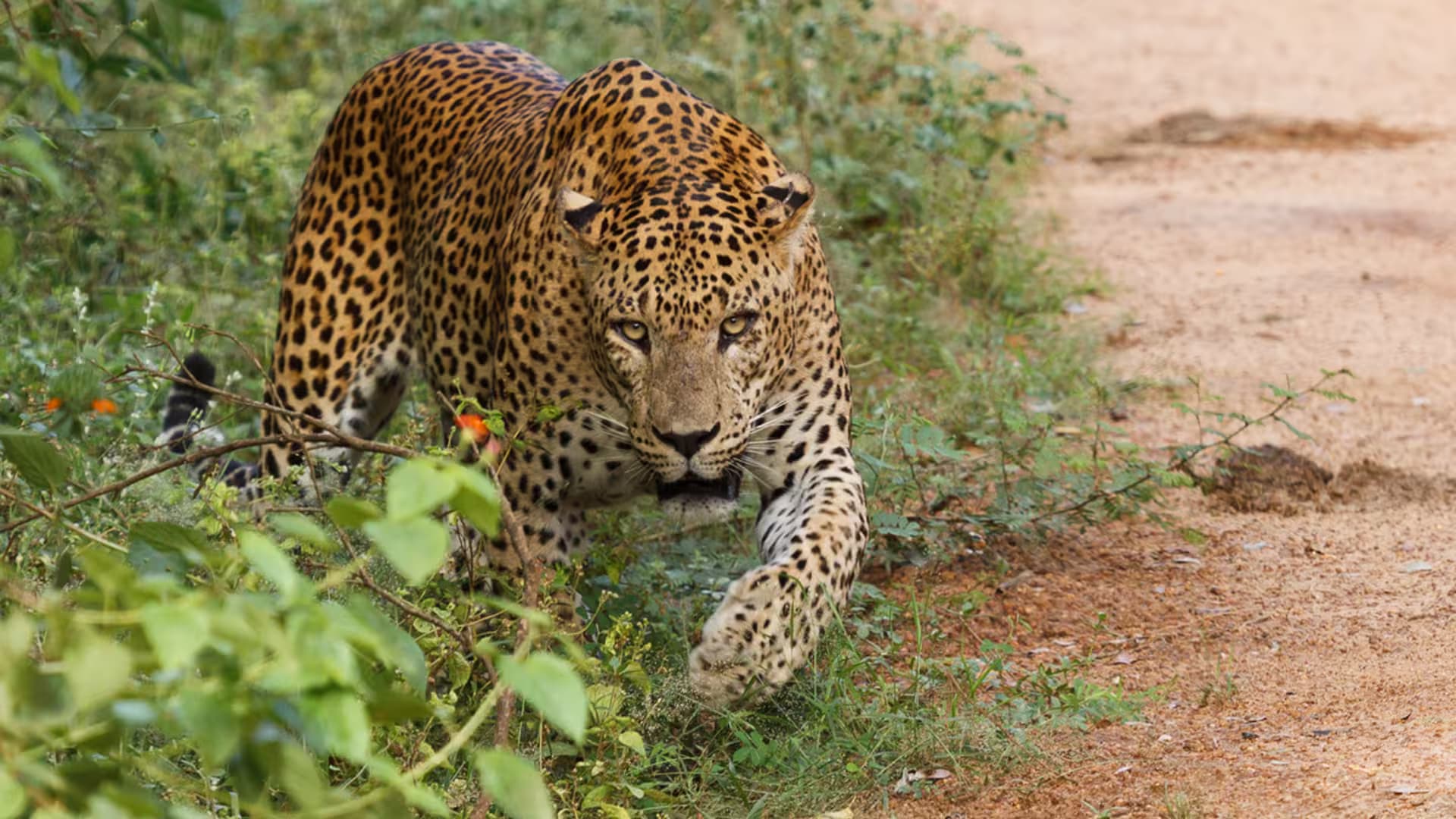
Sri Lankan Leopard
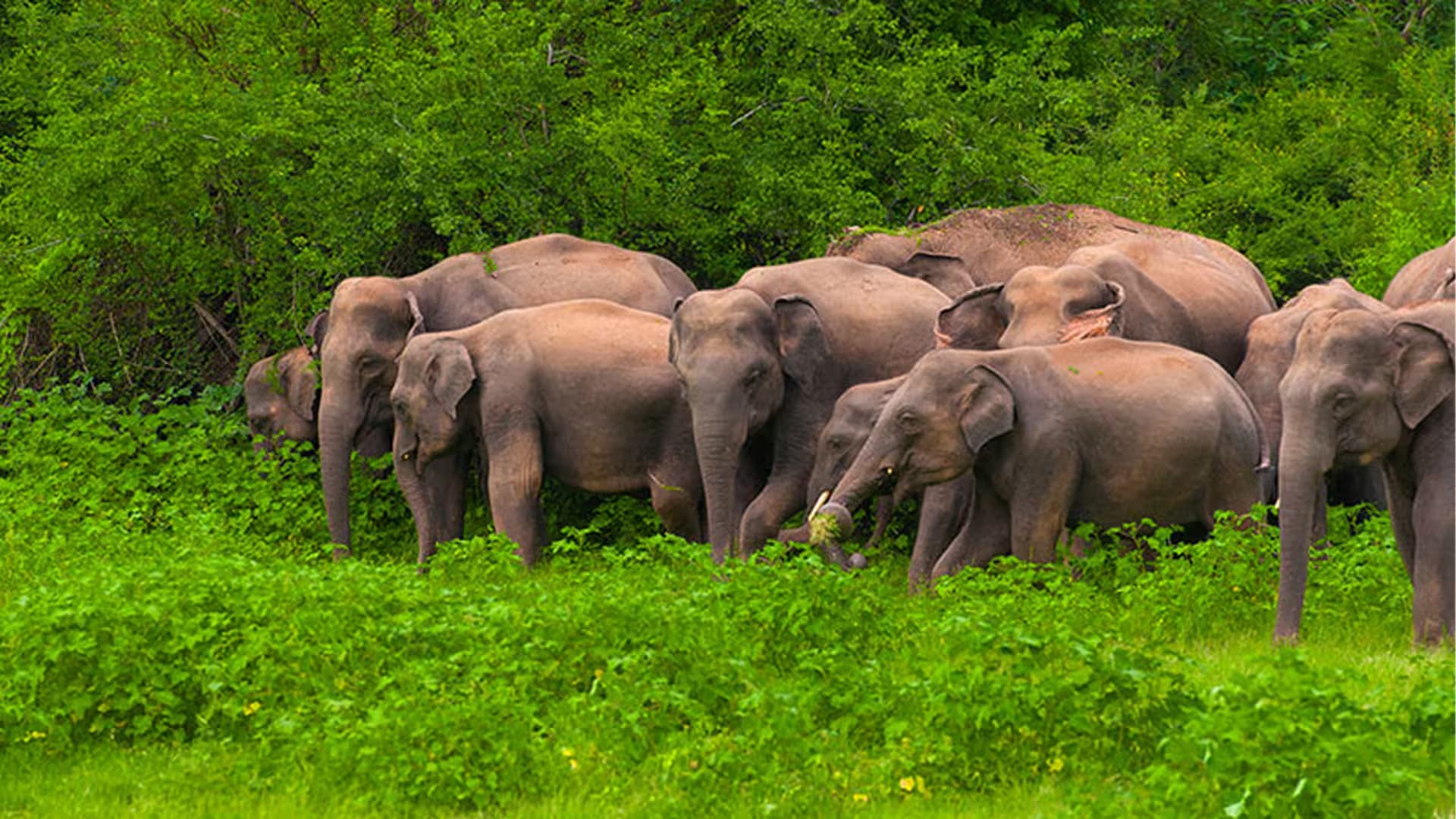
Asian Elephant Herds
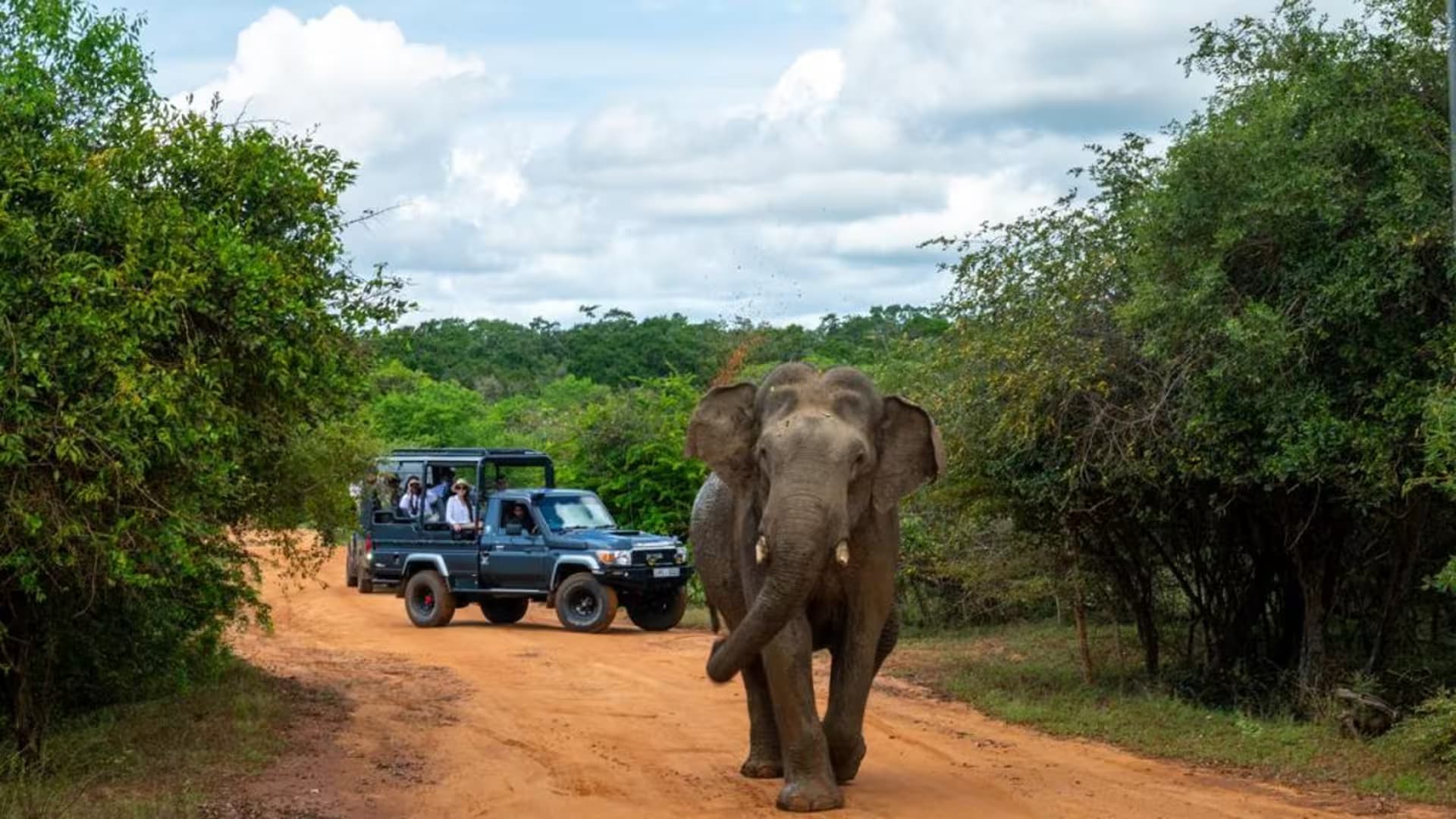
Safari Adventures
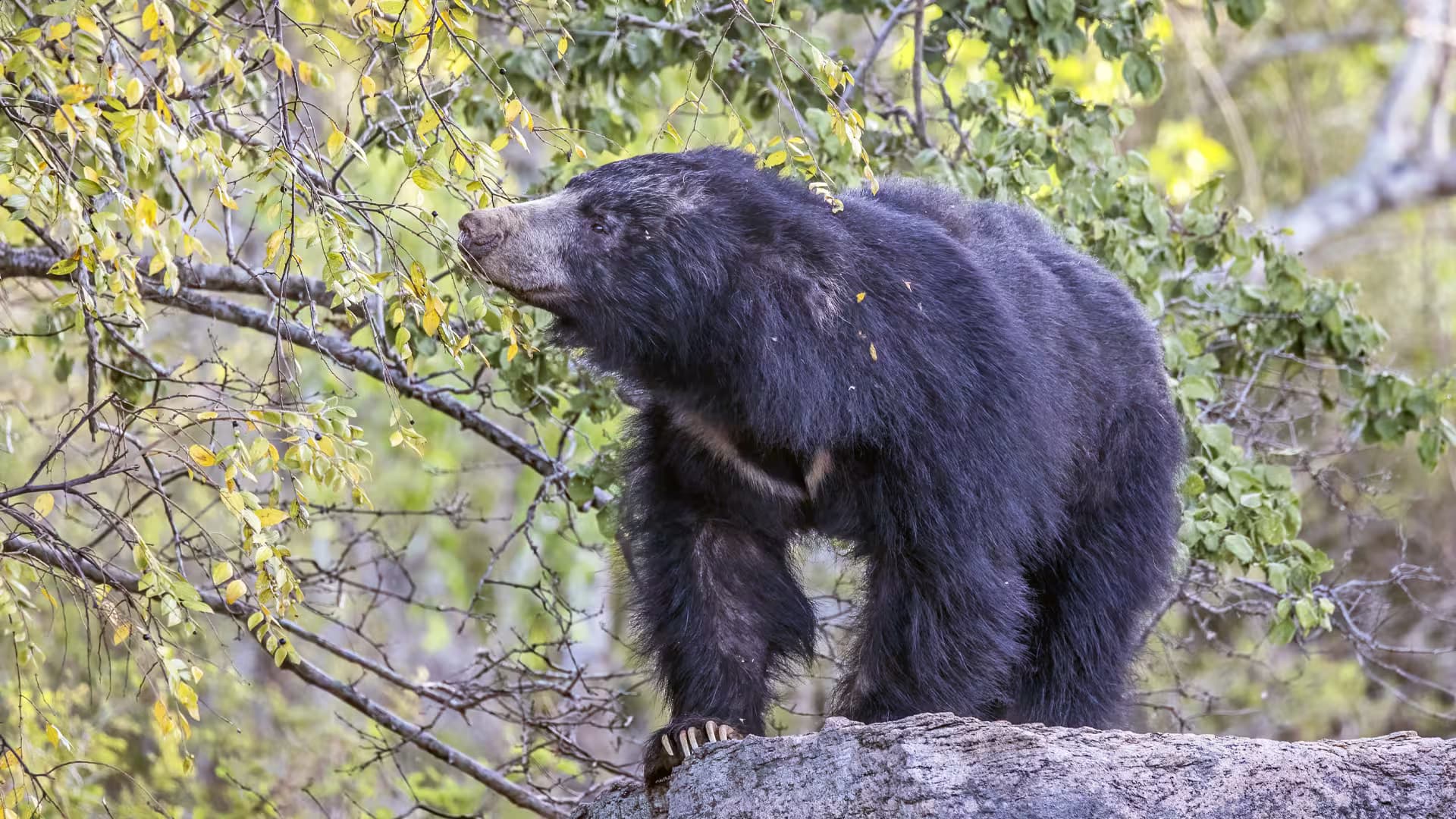
Sri Lankan Sloth Bear
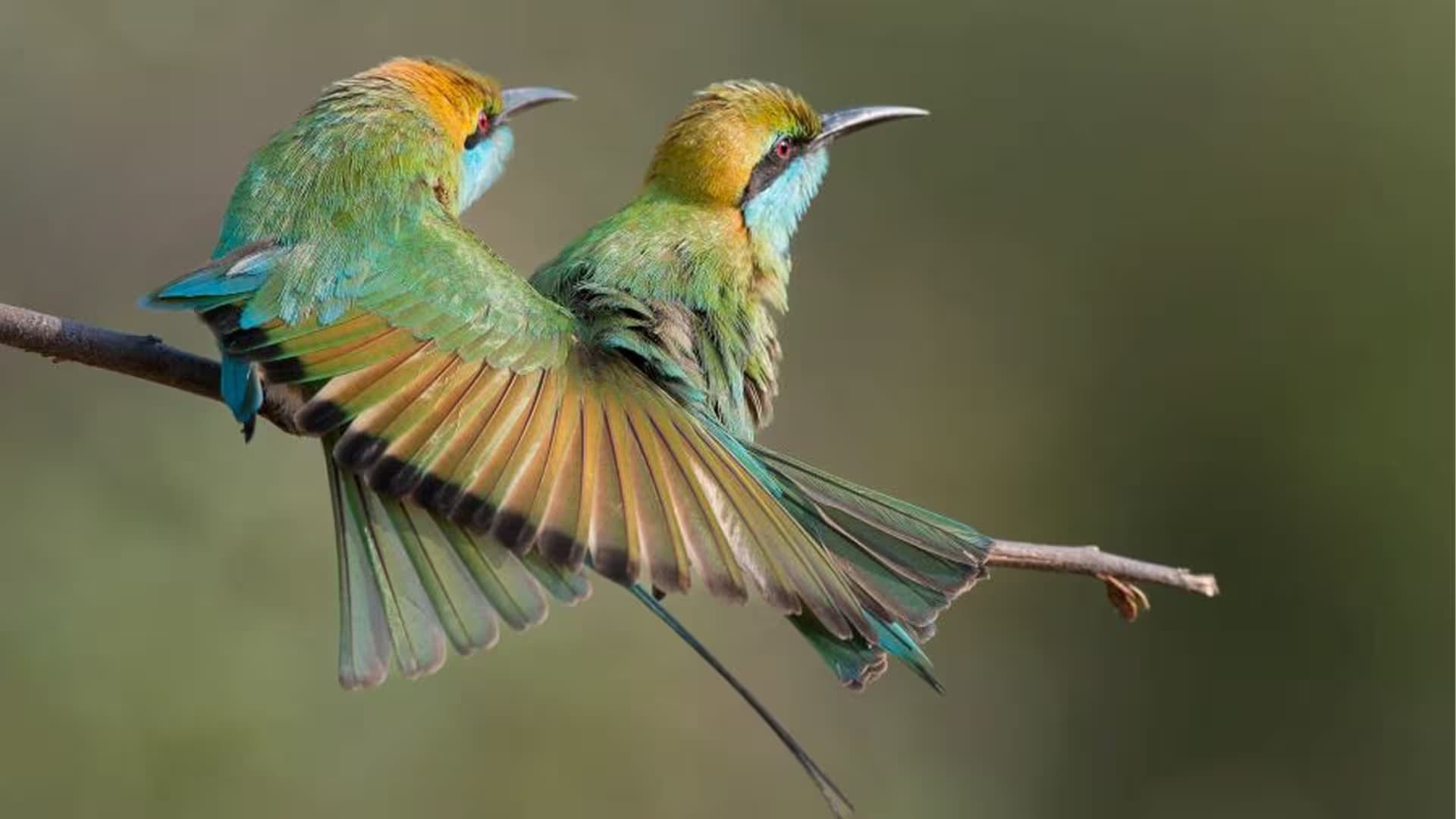
Endemic Birdlife
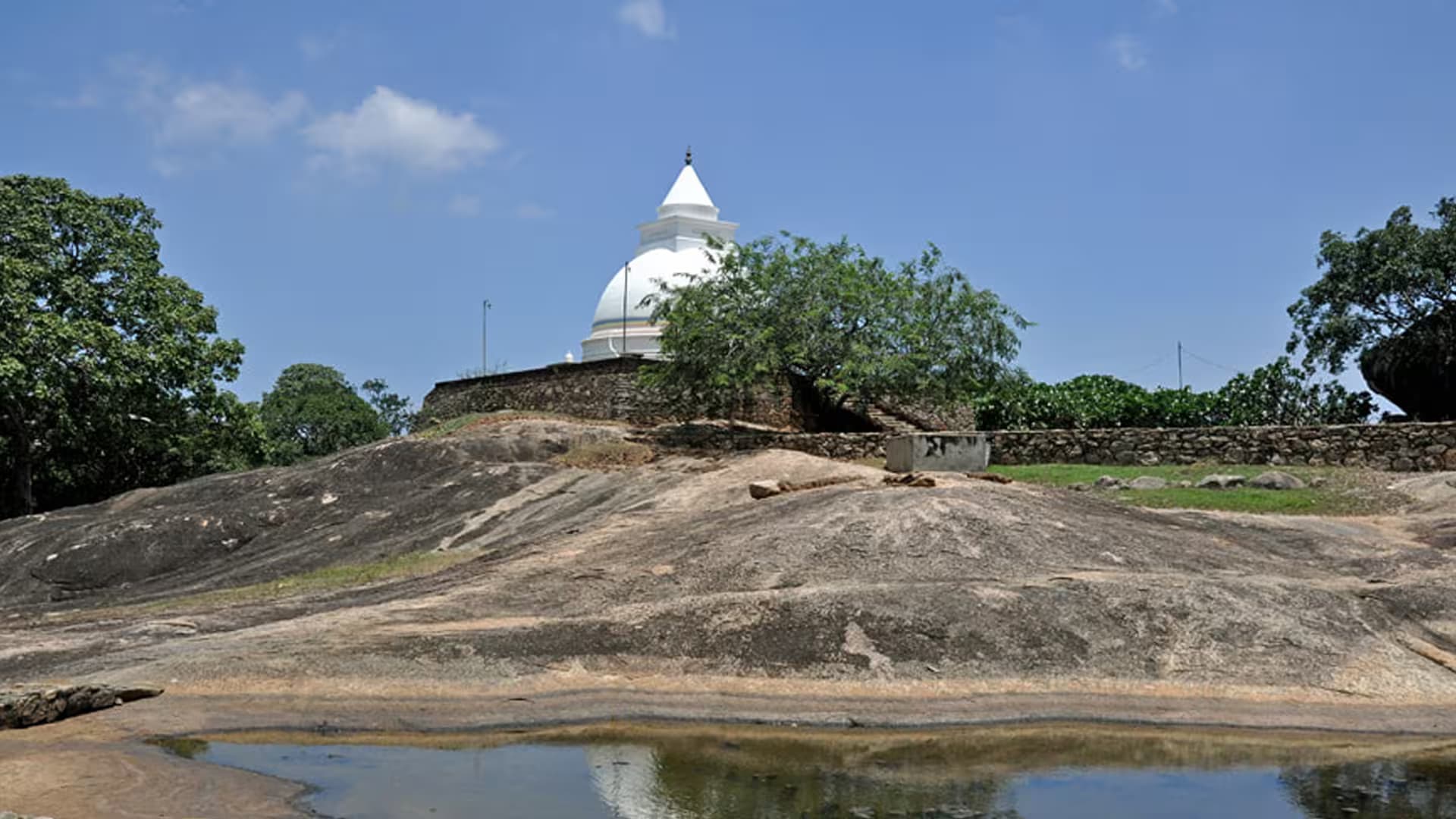
Situlpahuwa Ancient Temple
Plan Your Visit
Ready to explore Yala? Let our expert guides create a personalized itinerary for you.
Tours Including Yala
6 Days Sri Lanka Hill Country & Wildlife Adventure
6 Days / 5 Nights • Adventure
Experience the ultimate Sri Lankan adventure covering cultural heritage, hill country beauty, wildlife safaris, and coastal charm. This comprehensive tour takes you from ancient kingdoms to tea plantations, wildlife parks, and historic coastal forts.
View Tour Details →7 Days Complete Sri Lanka Experience
7 Days / 6 Nights • Complete
Comprehensive Sri Lanka experience covering cultural heritage, wildlife safaris, pristine beaches, and historic sites. Journey from airport gateway Negombo through ancient kingdoms, tea country, wildlife parks, whale watching, and colonial heritage.
View Tour Details →10 Days Ultimate Sri Lanka Discovery
10 Days / 9 Nights • Complete
The ultimate Sri Lankan adventure covering every major highlight from ancient kingdoms to pristine beaches. Experience cultural heritage, wildlife safaris, scenic hill country, whale watching, water sports, and turtle conservation in this comprehensive 10-day journey through the pearl of the Indian Ocean.
View Tour Details →14 Days Complete Sri Lanka Grand Tour
14 Days / 13 Nights • Complete
The most comprehensive Sri Lankan journey covering every major destination from sacred ancient capitals to pristine tropical beaches. Experience the complete cultural triangle, hill country tea plantations, wildlife safaris, whale watching, historic coastal forts, and diverse landscapes in this ultimate 14-day exploration of the pearl of the Indian Ocean.
View Tour Details →Nearby Destinations
Tissamaharama
24 km
Ancient city with magnificent dagoba and accommodation base for Yala safaris
Kataragama
40 km
Sacred multi-religious pilgrimage city with temples and cultural festivals
Bundala National Park
45 km
Ramsar wetland site famous for migratory waterbirds and flamingo populations
Kumana National Park
45 km
Eastern extension of Yala ecosystem known as bird sanctuary and quieter safaris