
Galle
UNESCO World Heritage Colonial Fort & Multicultural Coastal Capital
Discover Sri Lanka's most magnificent colonial fortress, vibrant multicultural city life, ancient Buddhist temples, historic mosques and churches, scenic cricket stadium, bustling harbors, Japanese Peace Pagoda, and pristine beaches in the enchanting southern provincial capital.
Duration
2-3 days recommended for comprehensive exploration including Rumassala and temples. Minimum 1 day for fort and major attractions
Best Time
November to April (dry season) for optimal weather. December to March ideal for cricket season and comfortable temperatures
About Galle
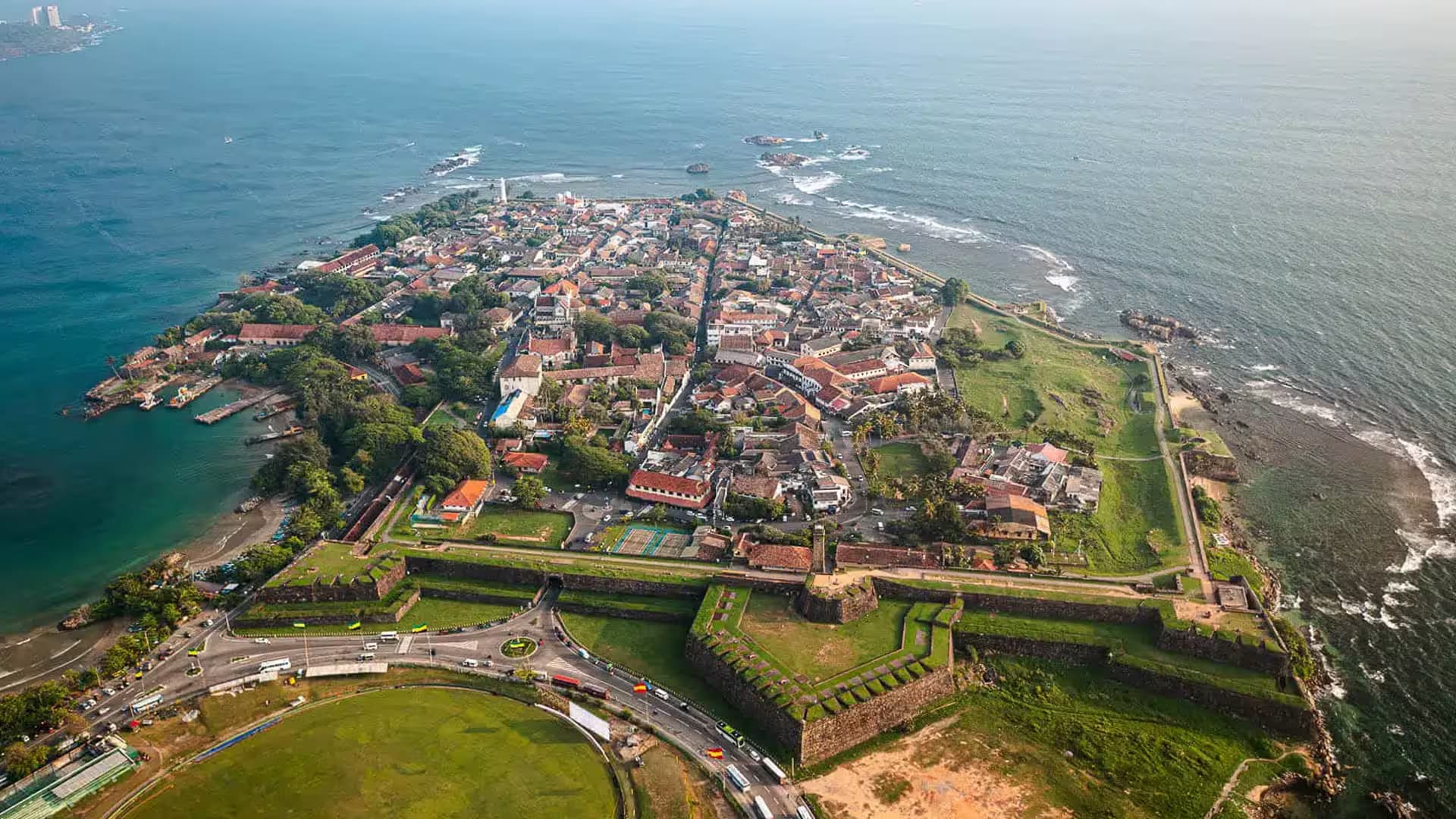
Galle stands as Sri Lanka's most captivating coastal destination and the crown jewel of colonial heritage, where the magnificent UNESCO World Heritage Galle Fort creates a living museum of European fortification while serving as the vibrant heart of a modern multicultural city that seamlessly blends 2,000 years of maritime trading history with contemporary Sri Lankan life. Located 119 kilometers south of Colombo on the southwestern tip of the island, this enchanting provincial capital combines the largest European fortress in Asia with pristine beaches, ancient temples, active harbors, world-class cricket venues, and diverse religious sites that showcase the remarkable cultural harmony between Sinhalese, Muslim, Tamil, and Burgher communities.
As the capital of Southern Province and largest city in Galle District with over 112,000 residents representing Sri Lanka's most diverse urban population, Galle extends far beyond its legendary fort walls to encompass sacred Buddhist temples, historic mosques, colonial churches, bustling markets, active fishing harbors, and the mystical Rumassala Hill with its Japanese Peace Pagoda and Ramayana connections. The city's strategic position along ancient Indian Ocean trade routes has created a unique cosmopolitan character where 65% Buddhist Sinhalese, 32% Muslim, and smaller Christian and Hindu communities coexist in remarkable harmony.
The Magnificent Galle Fort: Asia's Premier Colonial Fortress
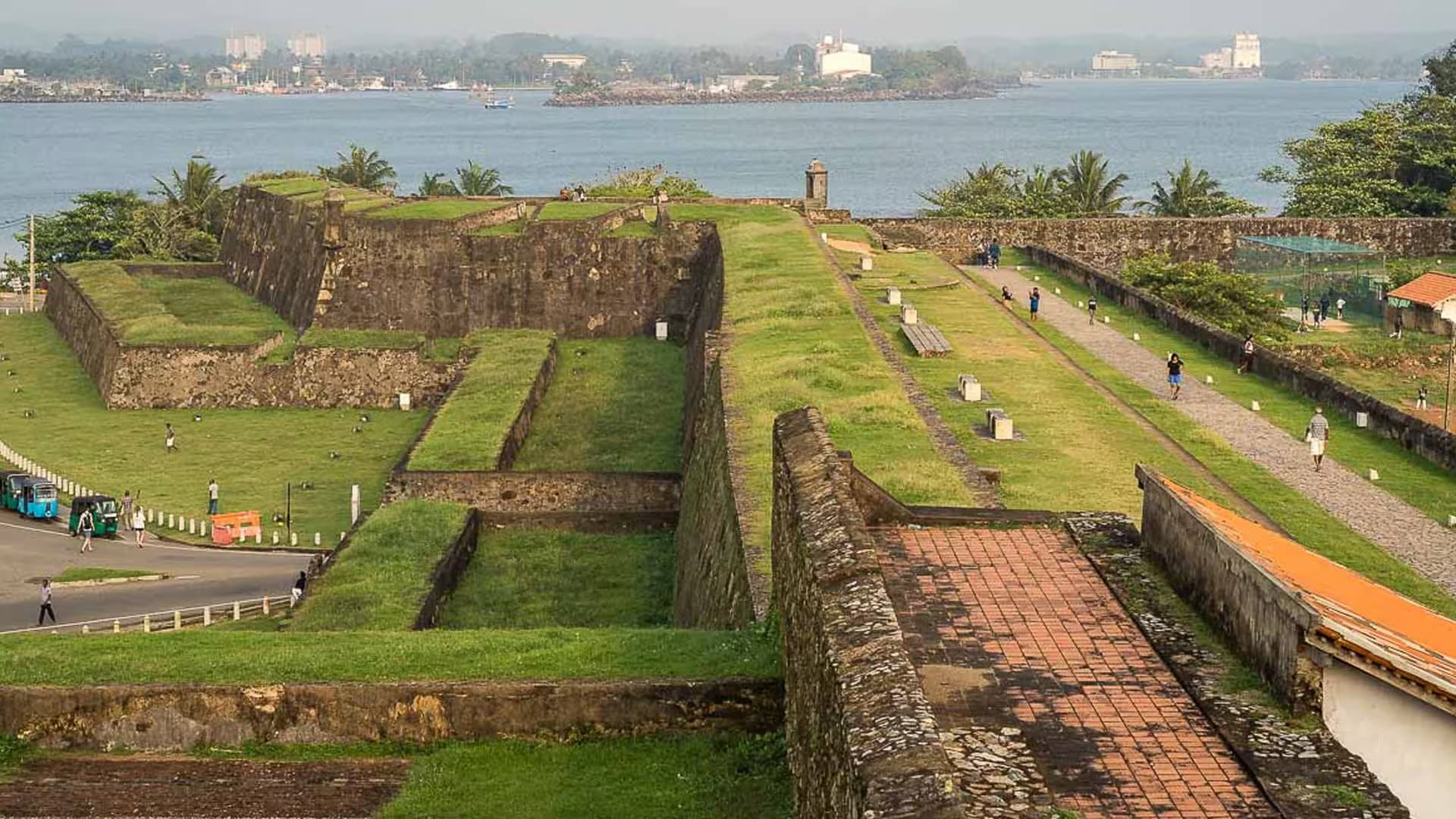
The awe-inspiring Galle Fort, originally built by the Portuguese in 1588 and masterfully expanded by the Dutch from 1649-1796, encompasses 52 hectares within massive granite and coral stone walls featuring 14 imposing bastions connected by ramparts that stretch 3 kilometers around the perimeter. This UNESCO World Heritage Site represents "the finest example of a European colonial fortified city in South and Southeast Asia," demonstrating the extraordinary interaction between European architectural traditions and South Asian cultural influences that evolved over four centuries of continuous occupation.
Within the fort's cobblestone streets and ancient walls, visitors discover an extraordinary living heritage site where contemporary life flourishes among Dutch colonial mansions, Portuguese churches, Victorian monuments, art galleries, boutique hotels, and restaurants. The fort's 14 bastions - including Sun, Moon, Star, Zwart, Aurora, Triton, Neptune, Flag Rock, Point Utrecht, and Clippenberg - each offer unique historical significance and panoramic views over the Indian Ocean, harbor, and surrounding countryside. The magnificent rampart walk provides uninterrupted 360-degree vistas and serves as one of the world's most scenic urban walking experiences.
Galle International Stadium: Cricket's Most Scenic Venue
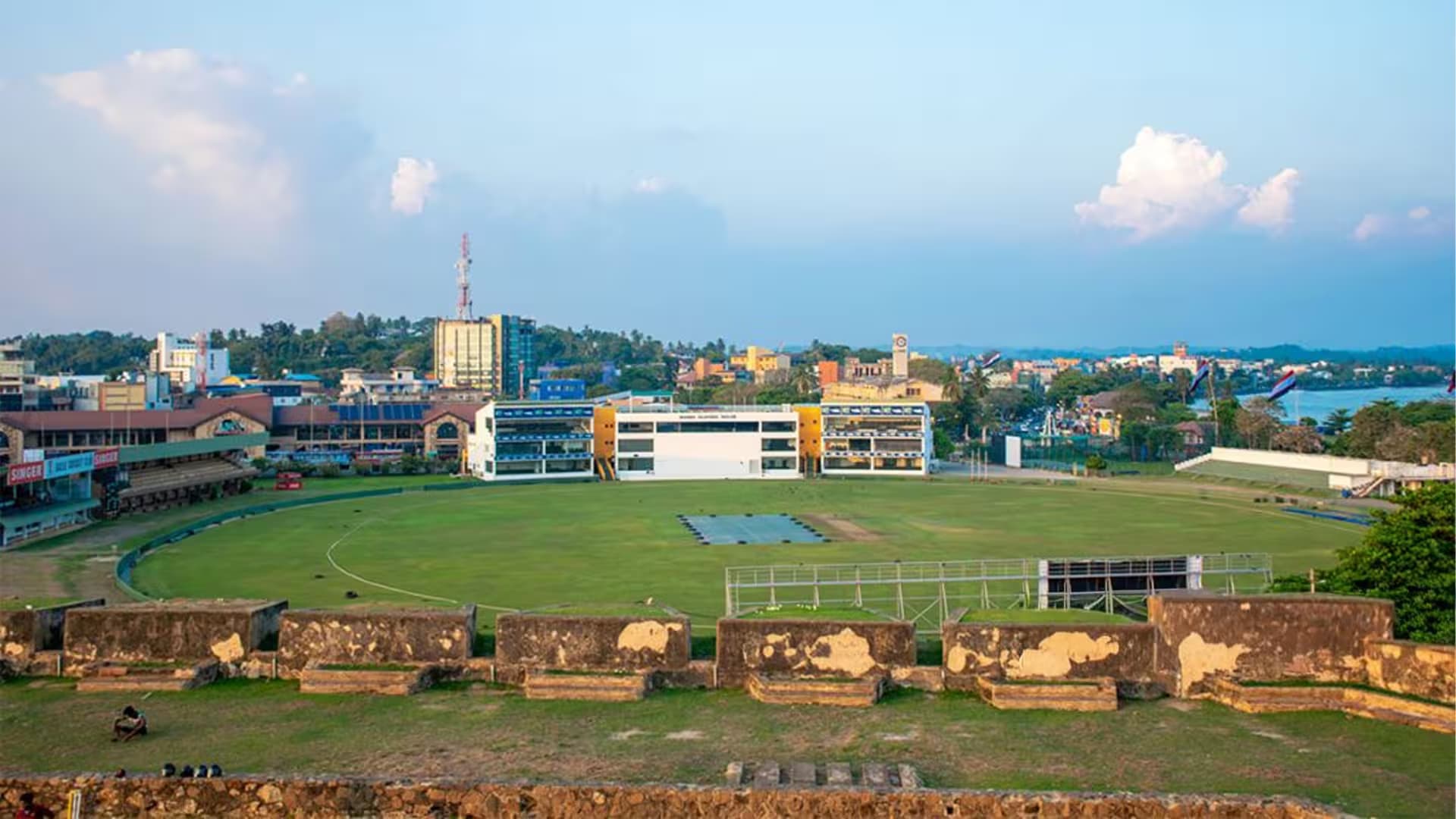
The world-renowned Galle International Stadium, consistently rated among cricket's most beautiful venues, sits in a breathtaking location between the historic fort walls and the azure Indian Ocean, creating an unparalleled backdrop for international Test matches, ODIs, and domestic cricket. Originally established as a racecourse over 100 years ago and converted to cricket in 1986, the stadium gained international recognition after hosting its first Test match in 1998, becoming the first ground outside England to stage a day-night Test match in 2017.
Devastated by the 2004 tsunami but magnificently rebuilt with enhanced facilities and improved drainage systems, the stadium now accommodates 35,000 spectators while maintaining its intimate atmosphere and spectacular ocean views. The venue's unique character combines world-class cricket facilities with colonial architecture, ocean breezes, and the dramatic sight of fort walls rising beyond the boundary, making every match a visual spectacle that attracts cricket enthusiasts and casual visitors alike.
Rumassala Hill: Sacred Mountain and Natural Wonder
Rising 133 meters above sea level, the mystical Rumassala Hill forms the dramatic eastern barrier to Galle Harbor while serving as one of Sri Lanka's most sacred natural sites with profound connections to the ancient Ramayana epic. According to legend, this hill is a fragment of the Himalayan mountain Dronagiri, dropped by Hanuman during his mission to collect medicinal herbs for Prince Lakshmana, creating a unique ecosystem where Himalayan plant species flourish alongside tropical flora in an extraordinary biodiversity hotspot.
The hill's crown features the magnificent Japanese Peace Pagoda, built in 1986 by Japanese Buddhist monks from the Nipponzan Myohoji order as part of their global peace initiative. This pristine white stupa, standing 30 meters high with four golden Buddha statues facing the cardinal directions, offers breathtaking panoramic views across Galle Fort, the harbor, Unawatuna Bay, and the endless Indian Ocean. Visitors can reach the pagoda via a scenic hiking trail through the hill's unique forest ecosystem, encountering rare medicinal plants, diverse bird species, and ancient cave formations that have sheltered hermit monks for centuries.
Buddhist Temples: Spiritual Heritage and Active Worship
Galle's rich Buddhist heritage manifests through numerous ancient temples and modern monasteries that serve the city's Sinhalese Buddhist majority while welcoming visitors interested in Sri Lankan spiritual traditions. The Sudharmalaya Temple within the fort walls offers visitors the unique opportunity to experience active Buddhist worship within a colonial fortification, featuring traditional architecture, meditation halls, and resident monks who conduct daily religious ceremonies and provide insights into Buddhist philosophy and practice.
The ancient Pilana Raja Maha Vihara, located 11 kilometers from Galle city on a picturesque hill surrounded by paddy fields, ranks among the region's most significant Buddhist sites with a history spanning over 1,000 years. This temple complex, famous for its elaborate annual Perahera festival featuring traditional dancers, drummers, and decorated elephants, showcases classical Sinhalese temple architecture with ornate prayer halls, ancient stupas, and intricately carved wooden structures that demonstrate the sophisticated artistic traditions of southern Sri Lankan Buddhism.
Islamic Heritage: Mosques and Muslim Culture
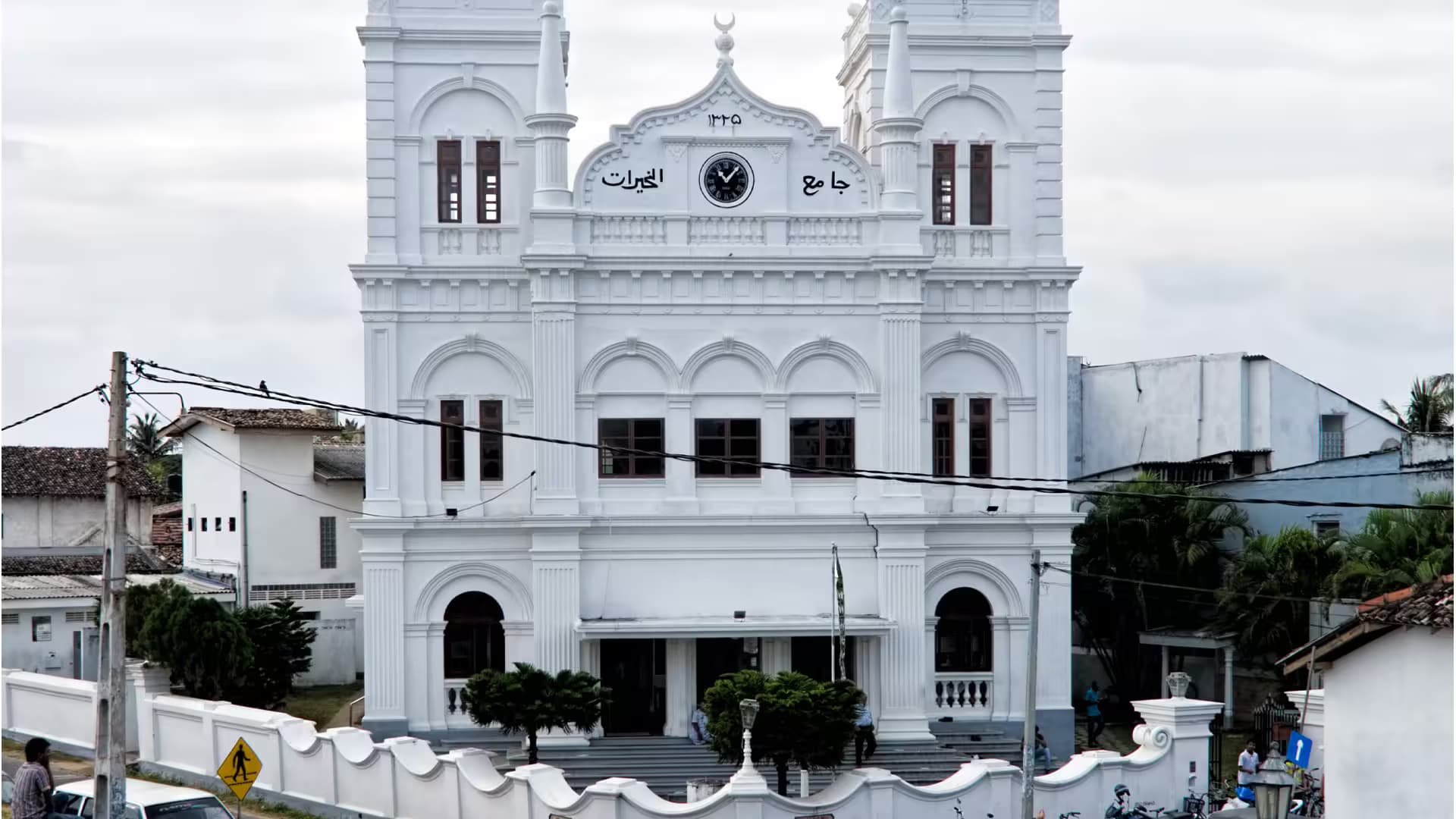
Galle's large Muslim population, descendants of Arab traders who settled here over centuries and intermarried with local Sinhalese families, has created a unique Sri Lankan Moor culture that flourishes throughout the city. The beautiful Meeran Jumma Mosque within the fort, built in 1904 and named after the patron saint of sailors, represents a fascinating architectural fusion of Victorian, Baroque, and Islamic design elements with its white walls, arched windows, and ornate interior decorations that reflect the community's prosperous trading heritage.
The mosque serves as the spiritual center for the fort's Muslim community while welcoming respectful visitors interested in learning about Sri Lankan Islamic culture. Additional mosques throughout Galle city, including the Grand Mosque and several neighborhood prayer halls, showcase different architectural styles from various periods of Muslim settlement, creating a rich tapestry of Islamic heritage that demonstrates the community's continuous presence and contribution to Galle's multicultural character.
Christian Churches: Colonial Religious Heritage
Galle's Christian heritage encompasses multiple denominations and architectural periods, beginning with Portuguese Catholic missions and evolving through Dutch Reformed traditions to British Anglican and Methodist influences. The historic Dutch Reformed Church (Groote Kerk), built in 1640 and rebuilt in 1752, stands as one of the fort's most remarkable buildings with its baroque architecture, unique floor paved with Dutch gravestones, antique organ from 1760, and massive walls that have survived centuries of tropical weather and colonial conflicts.
All Saints Anglican Church, constructed in 1871 during British rule, showcases magnificent Victorian Gothic architecture with impressive stained glass windows, beautifully carved timber arches, and refined interior decorations that survived extensive tsunami damage and careful restoration. St. Mary's Cathedral, founded by Jesuit priests and representing the Catholic heritage, demonstrates Portuguese colonial church architecture with its traditional bell tower, ornate altars, and religious artifacts that illustrate the deep Catholic roots established during the earliest European presence in Sri Lanka.
Active Harbor and Maritime Traditions
Galle Harbor remains one of Sri Lanka's most important commercial ports and the heart of the city's maritime character, where traditional fishing boats, modern cargo vessels, cruise ships, and naval craft create a constantly changing panorama of maritime activity. The harbor's natural protection within the bay, deep-water access, and strategic location along major shipping routes have made it a crucial stopover for international trade for over two millennia, evident today in the active cargo operations, fishing fleets, and pleasure craft that utilize its facilities.
The historic fish market near the harbor offers authentic glimpses of daily life where fishermen bring their morning catches to sell directly to locals and restaurants, creating a vibrant social hub that demonstrates the continuation of traditions spanning generations. Visitors can observe traditional fishing methods, purchase the freshest seafood, and experience the authentic rhythms of coastal life that have sustained Galle's communities for centuries.
National Maritime Museum: Underwater Archaeology and Trading History
Housed in the massive 17th-century Dutch spice warehouse with walls nearly 2 meters thick, the National Maritime Museum showcases Galle's extraordinary maritime heritage through artifacts recovered from over 21 shipwreck sites in the surrounding waters. The museum's collections include ancient Chinese porcelain, Dutch coins, Portuguese weapons, Islamic ceramics, and trading goods that illustrate Galle's role as a crucial hub in historic Indian Ocean trade networks connecting Asia, Arabia, and Europe.
Exhibits detail the sophisticated underwater archaeology projects that have recovered treasures from centuries of maritime disasters, while interactive displays explain how tsunamis form and travel across ocean basins. The museum building itself, originally designed to store valuable spices during Dutch rule, represents one of the finest examples of colonial warehouse architecture in Asia with its massive timber beams, ventilation systems, and security features that protected precious cargo from tropical climate and potential theft.
Central Market and Urban Life
The bustling Central Market area, featuring the historic Dutch Market with its 300-year-old columned roof, provides authentic experiences of contemporary Sri Lankan urban life through vibrant displays of fresh produce, aromatic spices, colorful textiles, and traditional crafts. Local vendors offer tropical fruits, vegetables grown in nearby villages, handwoven fabrics, wood carvings, and gems that represent the region's agricultural and artisanal traditions while creating opportunities for cultural exchange between visitors and local communities.
Surrounding the market, Galle's commercial districts showcase the dynamic blend of traditional and modern life through family-run shops, contemporary restaurants, Internet cafes, and banking facilities that serve both local residents and international visitors. The area's narrow streets, colonial buildings, and constant activity create an authentic urban atmosphere that contrasts beautifully with the fort's more tourist-oriented attractions while providing genuine insights into contemporary Sri Lankan city life.
Gallery
Galle Fort Ramparts and Bastions
Galle International Cricket Stadium
Meeran Jumma Mosque
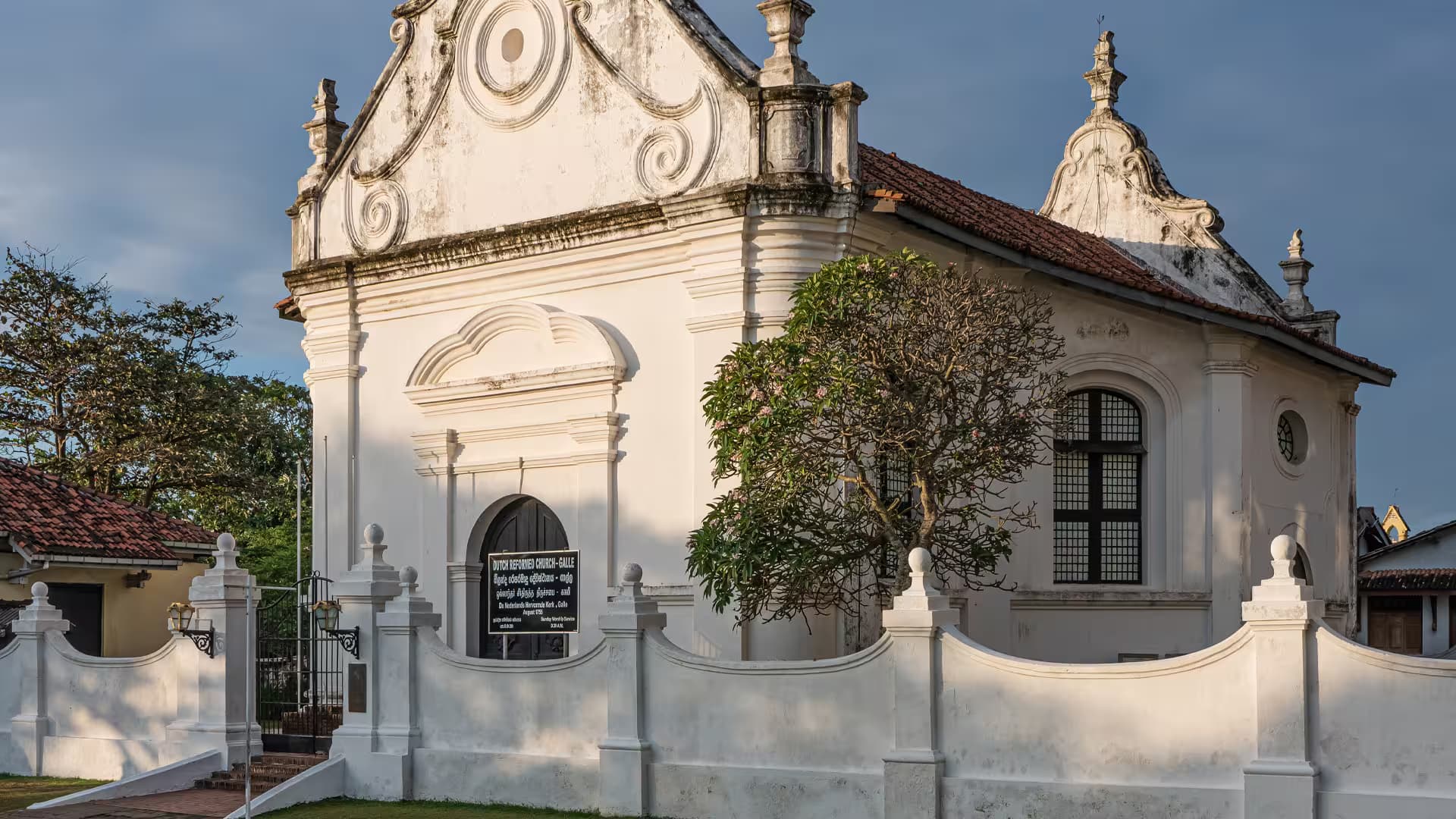
Dutch Reformed Church (Groote Kerk)
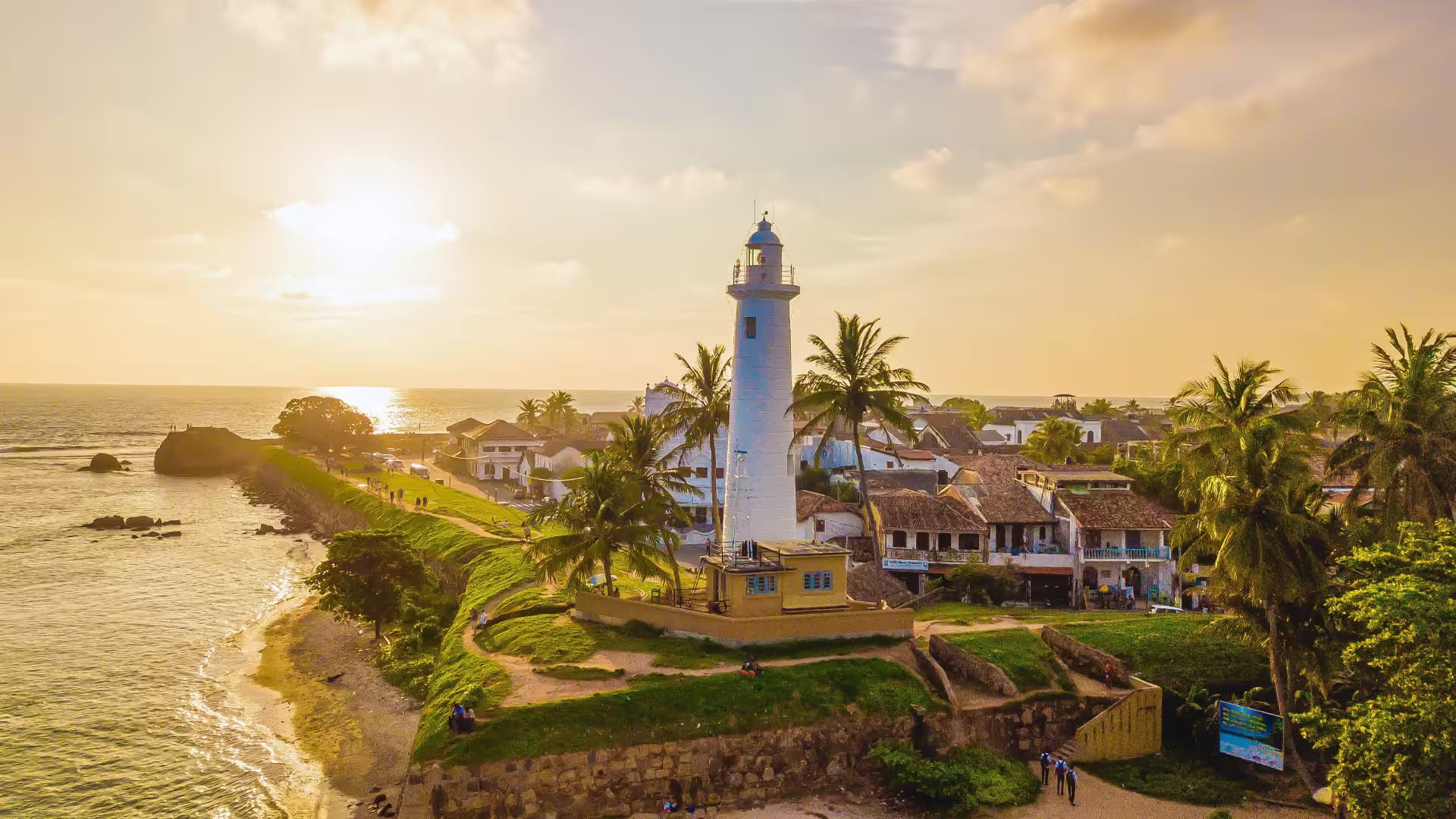
Galle Lighthouse on Utrecht Bastion
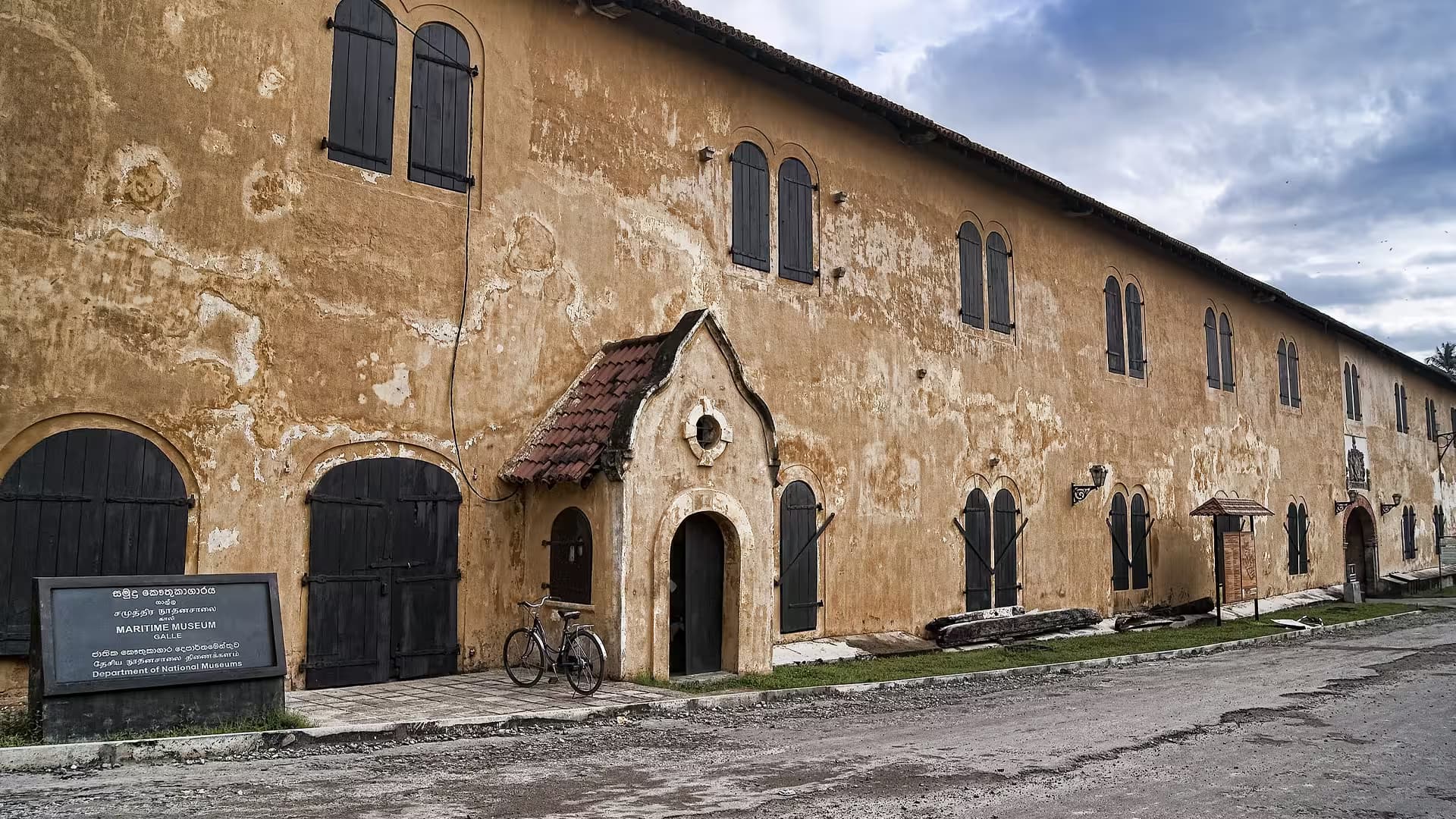
National Maritime Museum
Plan Your Visit
Ready to explore Galle? Let our expert guides create a personalized itinerary for you.
Tours Including Galle
6 Days Sri Lanka Hill Country & Wildlife Adventure
6 Days / 5 Nights • Adventure
Experience the ultimate Sri Lankan adventure covering cultural heritage, hill country beauty, wildlife safaris, and coastal charm. This comprehensive tour takes you from ancient kingdoms to tea plantations, wildlife parks, and historic coastal forts.
View Tour Details →7 Days Complete Sri Lanka Experience
7 Days / 6 Nights • Complete
Comprehensive Sri Lanka experience covering cultural heritage, wildlife safaris, pristine beaches, and historic sites. Journey from airport gateway Negombo through ancient kingdoms, tea country, wildlife parks, whale watching, and colonial heritage.
View Tour Details →10 Days Ultimate Sri Lanka Discovery
10 Days / 9 Nights • Complete
The ultimate Sri Lankan adventure covering every major highlight from ancient kingdoms to pristine beaches. Experience cultural heritage, wildlife safaris, scenic hill country, whale watching, water sports, and turtle conservation in this comprehensive 10-day journey through the pearl of the Indian Ocean.
View Tour Details →14 Days Complete Sri Lanka Grand Tour
14 Days / 13 Nights • Complete
The most comprehensive Sri Lankan journey covering every major destination from sacred ancient capitals to pristine tropical beaches. Experience the complete cultural triangle, hill country tea plantations, wildlife safaris, whale watching, historic coastal forts, and diverse landscapes in this ultimate 14-day exploration of the pearl of the Indian Ocean.
View Tour Details →Nearby Destinations
Unawatuna Beach
6 km
Famous golden sand beach destination with turtle watching
Hikkaduwa
20 km
Beach town with coral reefs and water sports activities
Koggala
15 km
Coastal area with stilt fishermen and cultural museum
Ahangama
25 km
Traditional fishing village with authentic stilt fishing
Jungle Beach
8 km
Secluded beach perfect for swimming and relaxation